

The right help, to the right place, in the right time.
Medical emergencies happen without warning and move fast. PushPulse gets your trained responders moving in seconds, keeps everyone else informed and out of the way, and builds the complete incident record automatically, so your team focuses on the person who needs help, not the logistics of the response.

Instant Responder Alert
Location Context
Bystander Communication
Incident Documentation
Your trained responders are moving before anyone finishes the phone call
When someone collapses in the sanctuary, falls in a hallway, or has a medical episode in a classroom, the first thirty seconds determine the outcome. PushPulse lets anyone on your team trigger a medical emergency alert the moment they see something wrong, from their phone, a wall-mounted tablet, or a Bluetooth panic button. The alert reaches your designated medical responders instantly with location details already attached, who reported it, where it happened, and what type of emergency it is. No intercom announcement, no radio call that gets lost, no hunting for the right phone number. Your AED-trained staff and first responders are moving before anyone else has finished explaining what happened.
- One-tap medical emergency activation from any device
- Alert routes to designated medical responders immediately
- Location, reporter, and incident type included automatically
- Simultaneous delivery across push, SMS, email, and voice
- Do Not Disturb override ensures responders receive the alert
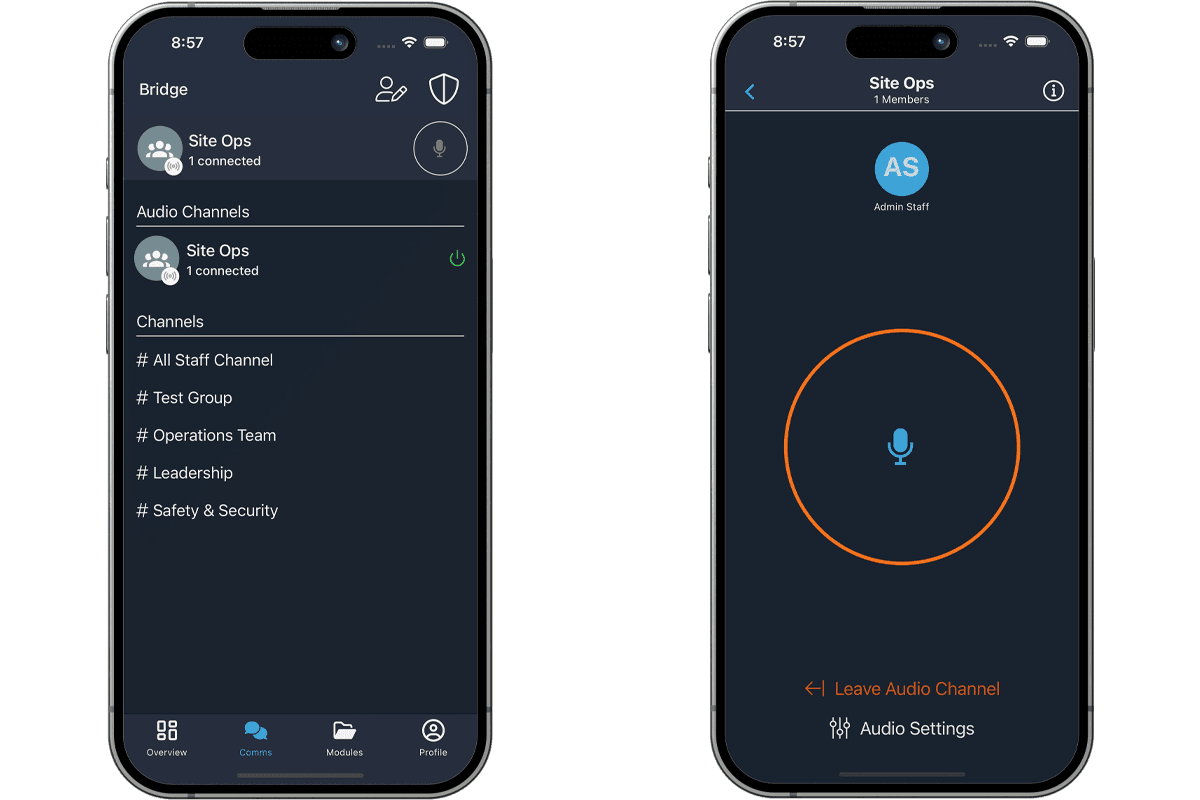
Everyone working the response is on the same channel
A medical emergency often involves more than one responder. Someone is doing CPR. Someone is getting the AED. Someone is meeting the ambulance at the door. Someone is keeping bystanders back. Without a way to communicate in real time, those roles collide, overlap, or get missed entirely. PushPulse push-to-talk and team chat keep every responder coordinated without breaking the response to make a phone call. The incident commander sees acknowledgements coming in from responders and can assign additional support, redirect resources, or call for backup without leaving the command view. Everyone working the emergency is operating from the same picture.
- Push-to-talk keeps responders coordinated hands-free
- Team chat for non-verbal updates during the response
- Real-time acknowledgement tracking for the incident commander
- Assign additional responders or redirect resources mid-incident
- All coordination logged to the incident timeline automatically
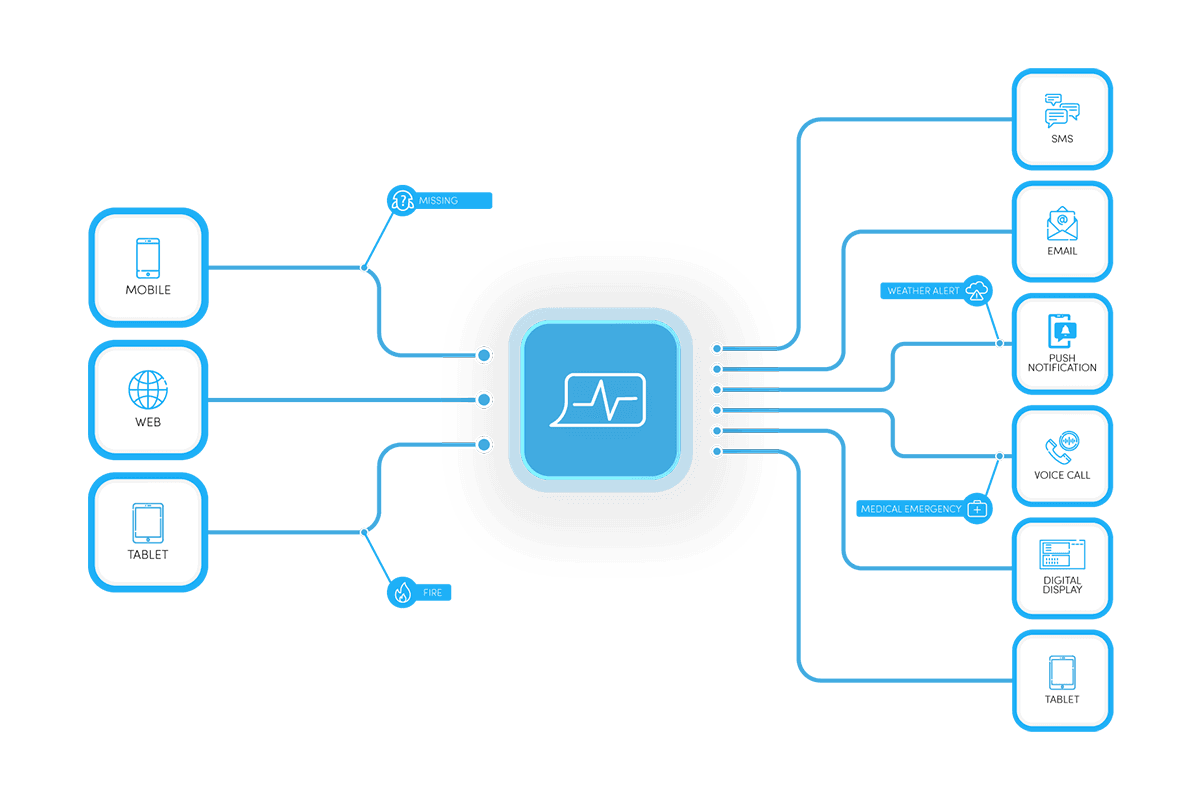
Everyone else stays calm because they know what is happening
A medical response that draws a crowd is harder to run than one where bystanders understand the situation and stay clear. PushPulse lets coordinators send a targeted message to the broader group, staff, congregation, students, or visitors, while the response team works the emergency. Not a full emergency alert that causes alarm. A status update that tells people what is happening, that a medical situation is being handled, that trained staff are on the scene, and where to go or stay. Bystanders who feel informed do not crowd the response. They give your team the space to work.
- Send a status update to the broader group without triggering a new emergency alert
- Target specific areas, floors, or groups while leaving others undisturbed
- Clear, calm messaging that informs without escalating
- Updates push across all active notification channels
- Coordinator controls who receives what message at every stage
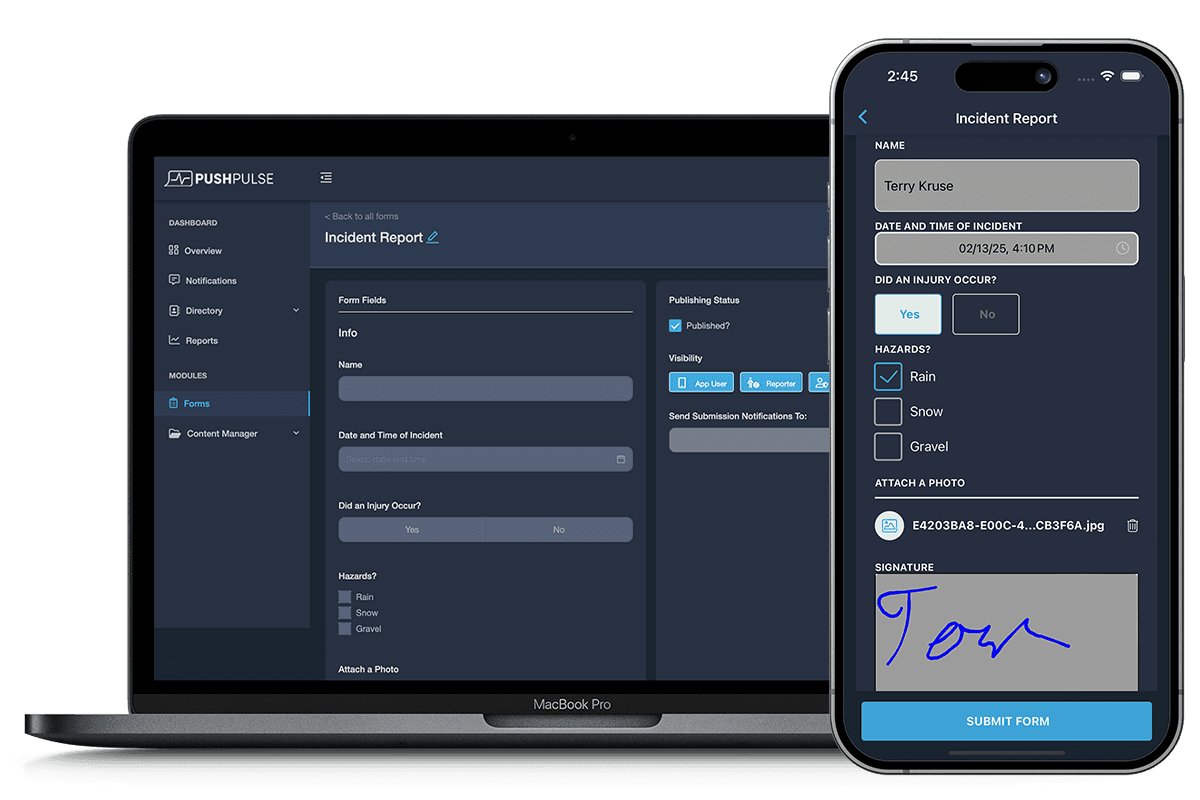
The complete record is ready before the ambulance leaves
After a medical emergency, the questions come quickly. What time did the incident occur. Who responded and when. What was done and in what order. Was the AED used. When did EMS arrive. Who was on scene. For insurance purposes, for legal review, for internal after-action, and in some settings for licensing and accreditation, the answers to those questions need to be precise and documented, not reconstructed from memory two days later. PushPulse builds the incident timeline automatically from the moment the alert is triggered. Every notification sent, every acknowledgement received, every status update posted, every note added, all time-stamped and attributed. Pair it with a custom incident report form and the complete medical record is ready to export before the last responder leaves the scene.
- Automatic incident timeline from first alert to all-clear
- Time-stamped record of every notification and acknowledgement
- Custom medical incident report form for detailed documentation
- Exportable report for administration, legal, and insurance
- After-action review ready from the same record
See how it all connects
See PushPulse in action
Upgrading your safety and operations strategy is easier than you think. Get a personalized walkthrough from our team.